Unlocking the Potential of Distressed Wood Texture Seamless Patterns for Digital Design
In the evolving landscape of digital content creation, the demand for high-quality, versatile textures has never been higher. Among the myriad of options available to designers and creators, the Distressed Wood Texture Seamless Pattern stands out as a particularly robust and aesthetically pleasing asset. This specific type of digital background offers a unique blend of rustic charm and modern utility, bridging the gap between organic natural elements and precise digital execution. Whether you are a seasoned graphic designer looking to add depth to a brand identity or a hobbyist crafter seeking inspiration for your next project, understanding the nuances of these patterns is essential for producing professional-grade work.
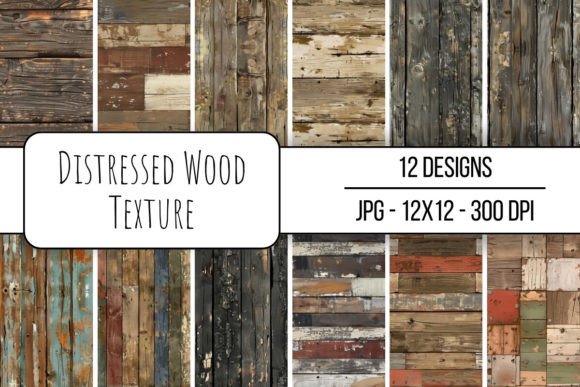
The core appeal of this texture lies in its ability to evoke warmth, history, and authenticity. Unlike flat colors or generic gradients, a distressed wood pattern introduces visual weight and tactile realism to a two-dimensional screen. The seamless nature of the pattern ensures that it can be tiled infinitely without visible breaks, making it ideal for large-scale applications such as website backgrounds, packaging design, and fabric printing. Furthermore, the availability of twelve distinct HD images within a single download provides a diverse palette of grain directions, color variations, and wear-and-tear characteristics, allowing for a high degree of customization without the need for complex photo manipulation.
The Technical Specifications That Drive Quality
Before diving into creative applications, it is crucial to understand the technical foundation that makes these digital assets so valuable. The product specifications are not merely administrative details; they directly impact the final output quality and usability across various platforms. Each image in the collection is provided in JPG format, a widely compatible standard that balances file size with visual fidelity. However, the true power of these files comes from their resolution and dimensions.
- Resolution and DPI: At 300 DPI (dots per inch), these images meet the industry standard for high-quality print production. This density ensures that when the pattern is printed on physical items like t-shirts, tote bags, or wall art, the wood grain remains crisp and detailed, avoiding the pixelation that often plagues lower-resolution downloads.
- Dimensions: The 12 x 12 inch dimension at 300 DPI results in an image size of 3600 x 3600 pixels. This square aspect ratio is highly versatile, fitting perfectly into social media profiles, Instagram posts, and many e-commerce thumbnail requirements while still being scalable up for larger prints.
- Seamless Tiling: The "seamless" designation is critical. It means the edges of the image have been mathematically aligned so that when repeated horizontally and vertically, no seams are visible. This eliminates the tedious task of manually masking edges in software like Photoshop, saving hours of workflow time.
- No Watermarks: A common frustration with free or low-cost stock assets is the presence of intrusive watermarks. These digital patterns are delivered clean, allowing for immediate commercial use without legal ambiguity or aesthetic compromise.
Understanding these specifications helps creators set realistic expectations. For instance, while 3600 pixels is sufficient for most web and small-format print needs, extremely large format banners might require additional scaling techniques. However, for the vast majority of design projects, this resolution provides ample detail to satisfy both digital viewers and tactile printers.
Applications Across Creative Industries
The versatility of the Distressed Wood Texture Seamless Pattern allows it to serve as a foundational element in a wide array of creative disciplines. Its adaptability stems from its neutral yet textured appearance, which complements other design elements rather than overpowering them. Below are several key areas where this pattern adds significant value.
Print-on-Demand (POD) and Merchandise
For entrepreneurs in the Print-on-Demand space, differentiation is key. Using a plain white background for a t-shirt or phone case rarely captures attention. By incorporating a distressed wood texture, designers can create products that feel grounded and artisanal. This is particularly effective for brands targeting audiences interested in sustainability, vintage aesthetics, or outdoor lifestyles. The pattern can be used as a full background or as a framing element for typography-based designs. When applied to homeware items like coasters, cutting boards, or decorative pillows, the texture mimics real materials, enhancing the perceived value of the product even though it is digitally printed.
Graphic Design and Branding
In the realm of corporate and personal branding, consistency is vital. A company logo placed over a chaotic or overly bright background can lose its impact. A subtle distressed wood pattern provides a stable, sophisticated canvas that allows logos and text to pop. For example, a craft brewery might use a darker, more rugged wood texture to convey tradition and strength, while a boutique bakery might opt for a lighter, smoother variant to suggest freshness and cleanliness. The twelve different backgrounds allow a brand to maintain a cohesive theme while varying the mood across different marketing materials, such as social media stories versus email newsletters.
Digital Backgrounds and Social Media
Social media platforms are visually driven environments where engagement is determined by the first few seconds of viewing. Static images with solid colors often get scrolled past. Incorporating a high-quality texture like distressed wood adds depth and professionalism to profile pictures, cover photos, and post backgrounds. Educators and coaches can use these patterns to create branded templates for downloadable resources, such as worksheets or checklists. The texture adds a layer of seriousness and reliability to educational content, making it appear more curated and valuable.
Crafting and Physical Projects
While this is a digital download, its utility extends heavily into the physical crafting world. Users of cutting machines like Cricut or Silhouette can import these patterns to create custom labels, scrapbook pages, and cardstock decorations. Because the images are labeled and organized in a zip file, sorting through options is streamlined. A hobbyist planning a wedding invitation suite could select a specific wood tone that matches their venue’s decor, ensuring a unified aesthetic from the digital save-the-date to the physical invitation. Similarly, planners and stationery designers can use these textures to create notebook covers or planner inserts that mimic the look of leather-bound journals or wooden desks.
Workflow Integration and Best Practices
Integrating these digital patterns into your workflow requires a strategic approach to ensure the best results. Simply slapping a texture onto a design does not guarantee success; thoughtful application is necessary. Here are some practical tips for working with the Distressed Wood Texture Seamless Pattern.
Layering and Opacity: One of the most effective ways to use these patterns is by adjusting the opacity. Placing the wood texture at 10-20% opacity over a solid color background can create a subtle "grunge" effect that adds character without distracting from the main content. This technique is particularly useful for creating vintage-style posters or retro-themed advertisements.
Contrast Management: Wood textures inherently contain dark grains and light highlights. When adding text or graphics, ensure there is sufficient contrast. If the wood pattern is dark, use light-colored text or place a semi-transparent overlay behind the text to improve readability. Conversely, if using a light wood pattern, darker elements will stand out more sharply. The variety of twelve images allows you to choose a base that naturally complements your chosen color palette.
Resizing and Scaling: While the files are high-resolution, always resize your designs within your editing software before exporting. Avoid stretching the image disproportionately, as this can distort the wood grain and make the texture look artificial. Instead, scale uniformly and crop as needed. The seamless nature of the pattern means you can tile it in your design software to fill any canvas size, providing flexibility for both vertical and horizontal layouts.
Color Grading: Although the patterns come in their original color tones, you can further customize them using adjustment layers in tools like Photoshop or Canva. Desaturating the image slightly can make it more neutral, while boosting the warmth can enhance the cozy, inviting feel of the wood. This level of control ensures that the pattern aligns perfectly with your brand’s emotional messaging.
Considerations for Commercial Use
For business owners and professional designers, the licensing and usage rights of digital assets are paramount. The fact that these files are delivered as separate, labeled image files in a zip archive suggests a user-friendly approach to organization, but it also implies that users should verify the specific license terms associated with the purchase. Generally, seamless patterns are suitable for end-product sales, such as selling printed shirts or digital planners. However, reselling the raw digital files themselves as stock assets is typically prohibited. Understanding these boundaries protects your business from copyright infringement and ensures ethical practices within the creative community.
Additionally, consider the target audience’s perception. In certain minimalist design trends, heavy textures may be seen as clutter. Therefore, context is everything. A tech startup might find a distressed wood pattern too rustic, whereas a furniture maker or a coffee roaster would find it highly appropriate. Always test your design with a sample group to gauge reactions to the texture’s intensity and style.
Conclusion
The Distressed Wood Texture Seamless Pattern represents more than just a decorative element; it is a tool for enhancing communication and aesthetic appeal in digital and physical media. With its high-definition quality, seamless tiling capabilities, and diverse range of twelve unique backgrounds, it offers immense value to a broad spectrum of users. From POD entrepreneurs and graphic designers to educators and hobbyists, the ability to easily integrate professional-grade textures into workflows saves time and elevates the final product. By leveraging the technical strengths of these JPG files and applying thoughtful design principles, creators can produce work that feels authentic, polished, and engaging. As digital content continues to compete for attention, the subtle addition of realistic texture can be the distinguishing factor that draws users in and keeps them engaged.