Hexagon Line Pattern
In the realm of digital design and creative production, the demand for versatile, high-quality assets is constant. Among the most enduring geometric motifs is the hexagon, a shape that balances structural stability with aesthetic appeal. The Hexagon Line Pattern offers a seamless geometric grid specifically engineered to support a wide array of creative workflows. Whether you are a graphic designer seeking a subtle background texture or a Print-on-Demand entrepreneur looking for scalable vector art, understanding the utility and technical specifications of this asset is crucial for making an informed purchasing decision.
Understanding the Asset: What Is a Hexagon Line Pattern?
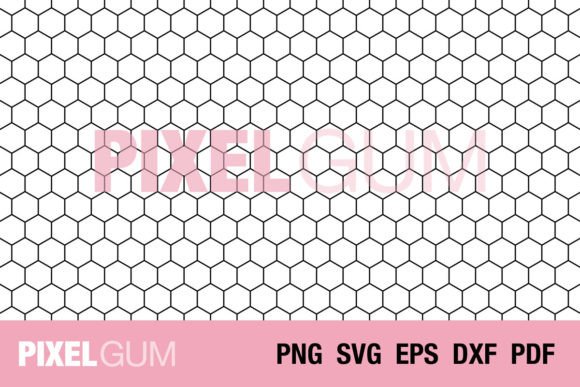
A Hexagon Line Pattern is not merely a static image; it is a structured, repeating geometric arrangement designed to tile seamlessly across any surface. This specific pattern features clean, intersecting lines that form a honeycomb-like structure. Unlike solid fills or complex illustrations, line-based patterns provide visual interest without overwhelming the primary subject of a design. The "seamless" nature of the pattern means that when repeated, there are no visible breaks or misalignments at the edges, allowing designers to stretch the pattern to any dimension without artifacts.
This particular asset is distributed in multiple file formats, ensuring compatibility across various software ecosystems. It includes a PNG file with a transparent background, as well as vector formats such as SVG, EPS, DXF, and PDF. This multi-format approach addresses the needs of different user bases, from web developers who require lightweight raster images to professional illustrators who need editable vector paths.
Key Features and Technical Specifications
Evaluating a digital asset requires looking beyond its visual appearance to its technical capabilities. The Hexagon Line Pattern provides several distinct advantages based on its included files:
- High-Resolution PNG: The inclusion of a 5000px × 4907px PNG at 300dpi ensures that the pattern retains crispness even when printed at large sizes. The transparent background is particularly valuable, as it allows the pattern to be overlaid on any color or image without a bounding box interference.
- Vector Scalability (SVG, EPS, DXF): For users working in Adobe Illustrator, CorelDRAW, or laser cutting software like Silhouette Studio, the vector files are essential. These formats allow for infinite scaling without pixelation. Designers can adjust stroke weights, colors, and spacing if the source file permits editing, offering flexibility that raster images cannot match.
- Print-Ready PDF: The PDF inclusion bridges the gap between design and final output, often serving as a ready-to-print template or a high-fidelity preview for clients.
Applications and Use Cases
The versatility of the Hexagon Line Pattern makes it suitable for numerous industries. Below are common scenarios where this asset adds value:
Graphic Design and Digital Media
In UI/UX design and branding, subtle geometric backgrounds can add depth to presentations, social media graphics, and website headers. The hexagon’s association with technology, efficiency, and structure makes it a popular choice for tech startups, educational materials, and scientific publications.
Textile and Fashion Design
For textile designers, seamless patterns are the foundation of fabric creation. The hexagon line grid works well for sportswear, activewear, and modern home decor fabrics. Because the lines are thin and repetitive, they create a sense of movement and rhythm that translates well to woven or printed textiles.
Print-on-Demand and Sublimation
Entrepreneurs using platforms like Redbubble, Etsy, or Amazon Merch benefit from assets that are both high-resolution and easy to manipulate. The Hexagon Line Pattern can be used on t-shirts, mugs, phone cases, and tote bags. In sublimation printing, the seamless nature ensures that the design wraps around curved surfaces without visible seams.
Crafting and Laser Cutting
With the DXF and SVG files, crafters can use the pattern for vinyl cutting projects, scrapbooking, or even architectural modeling. The precise geometry allows for accurate cutting with machines like Cricut or Glowforge, enabling the creation of intricate layered designs or stencils.
Evaluation: Benefits and Tradeoffs
When considering whether to integrate the Hexagon Line Pattern into your workflow, it is important to weigh the benefits against potential limitations.
Benefits
Time Efficiency: Creating a seamless geometric pattern from scratch requires mathematical precision and software expertise. Using a pre-made asset saves hours of setup time.
Professional Quality: Assets from established creators like PixelGum typically undergo quality control, ensuring that the lines are perfectly aligned and the resolution meets industry standards.
Format Flexibility: Having both raster and vector options in one purchase eliminates the need to convert files manually, reducing the risk of quality loss during conversion.
Tradeoffs and Considerations
Lack of Uniqueness: Geometric hexagon patterns are ubiquitous. While visually pleasing, they may not offer a distinctive brand identity unless heavily modified. Users should consider adding unique elements, such as custom colors, overlays, or integrated typography, to differentiate their work.
Editing Limitations: Depending on how the vector files are constructed (e.g., grouped vs. ungrouped paths), editing individual line segments might be cumbersome. It is advisable to check the layer structure before committing to a project that requires significant modification.
Visual Weight: If the lines are too thick or the contrast is too high, the pattern can become distracting. Careful consideration of opacity and color palette is necessary to ensure the pattern complements rather than competes with the main content.
Decision-Making Insights: Who Is This For?
The Hexagon Line Pattern is a strong fit for professionals who prioritize efficiency and technical reliability. It is particularly beneficial for:
- Freelance Graphic Designers: Who need quick, reliable assets to meet tight deadlines while maintaining high visual standards.
- Print-on-Demand Sellers: Who require scalable, print-ready files that minimize returns due to pixelation or alignment errors.
- Hobbyist Crafters: Who want access to precise digital files for physical crafting projects without investing in advanced design software skills.
Conversely, alternatives may be worth considering if your project demands highly organic shapes, hand-drawn textures, or complex illustrative elements. If you require a pattern that tells a specific narrative or conveys a unique brand story through imagery rather than geometry, a bespoke illustration service or a more complex asset pack might be more appropriate. Additionally, if your workflow is strictly limited to raster editing (like Photoshop) and you do not need vector scalability, a simpler, lower-cost PNG-only asset might suffice.
Conclusion
The Hexagon Line Pattern represents a practical, high-value tool for creatives working across digital and physical mediums. Its combination of high-resolution raster data and editable vector formats makes it a robust solution for a wide range of applications. By providing a seamless, professional-grade geometric foundation, it allows designers to focus on composition and creativity rather than technical construction. For those seeking a reliable, versatile, and technically sound pattern asset, this collection from PixelGum offers a compelling option that aligns well with modern design workflows.